


Proximity Sensors
SICK MPS-064TSTP0 Sensor
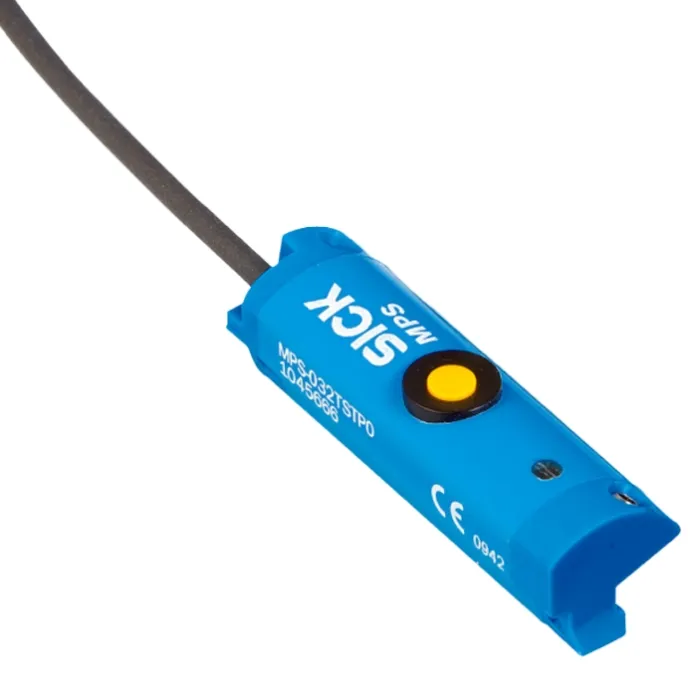
SICK MPS-064TSTP0 cylinder position sensor, part 1045668. T-slot clamp-in piston position detection with contactless magnetic sensing.
Overview
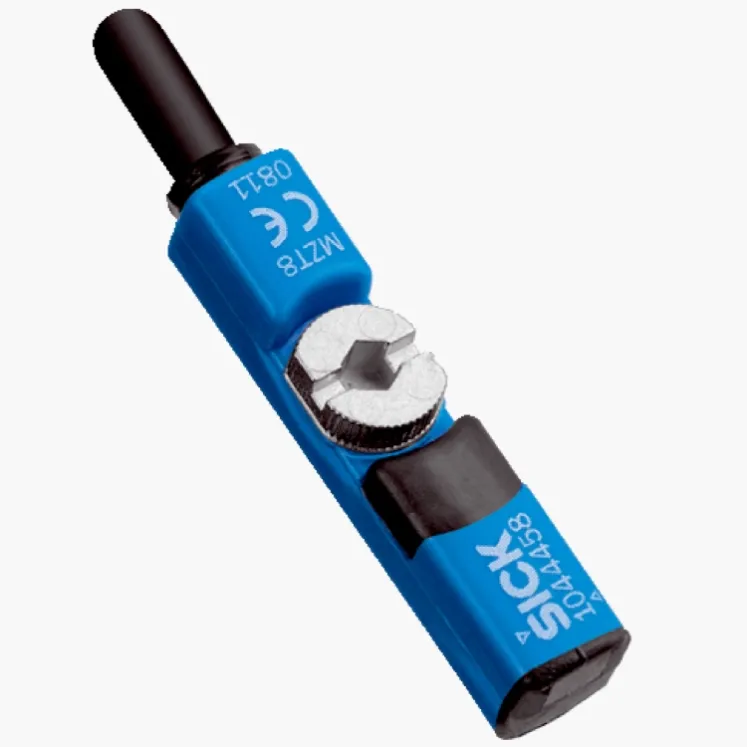
The SICK MPS-064TSTP0 (part number 1045668) is a T-slot cylinder position sensor of the MPS-T family. It clamps into the profile slot of pneumatic cylinders and detects the piston magnet contactlessly, converting piston position into a dependable switching signal for machine controls.
How It Works
The magnetic field of the piston magnet passes through the cylinder wall and triggers the sensor's electronic switching element when the piston reaches the sensor position. The contactless principle avoids wear and ensures repeatable switching behavior.
Key Features
- T-slot cylinder position sensing
- Part number 1045668
- Contactless magnetic detection through the wall
- Position-adjustable along the cylinder slot
- Compact housing integrated flush with the profile
- Durable electronic switching element
Typical Applications
- End-position monitoring on pneumatic actuators
- Mid-stroke detection on material handling cylinders
- Position feedback on clamping and pressing fixtures
- Verification of gripper actuation
- Stroke monitoring in assembly automation
Specifications
Attribute | Value |
|---|---|
Model | SICK MPS-064TSTP0 |
Part number | 1045668 |
Detection principle | Magnetic field detection through cylinder wall |
Mounting | T-slot (profile cylinder) |
Installation and Setup Notes
Slide the sensor into the slot, clamp it at the desired position and confirm the switching point with slow piston actuation. Use magnet-equipped pistons as standard for sensor-ready cylinders. Keep the cable routed away from hot surfaces and moving parts.
Frequently Asked Questions
What is the difference from the SNP0 variant?
The order codes define the output and connection configuration of the MPS-T family variants.
Does it work on all cylinder brands?
It works with T-slot profile cylinders whose slot and piston magnet match the sensor design.
Is the switching point affected by temperature?
Minor shifts are possible at temperature extremes; the design keeps them within the family specification.