Proximity Sensors
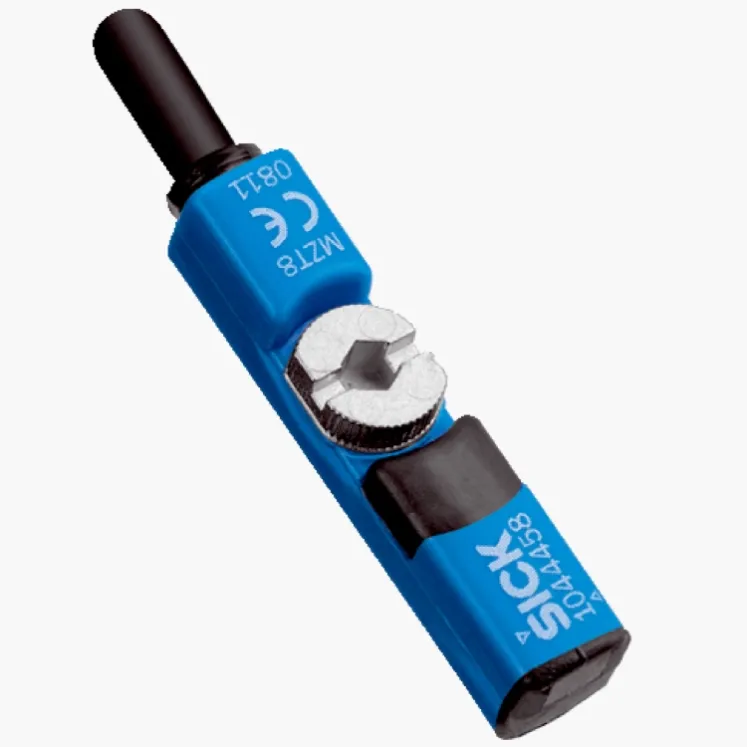
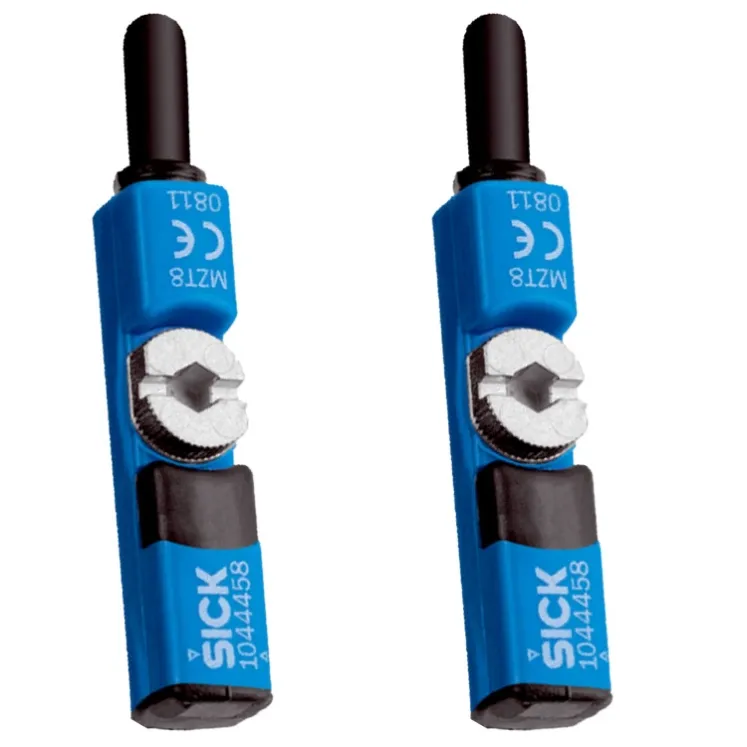
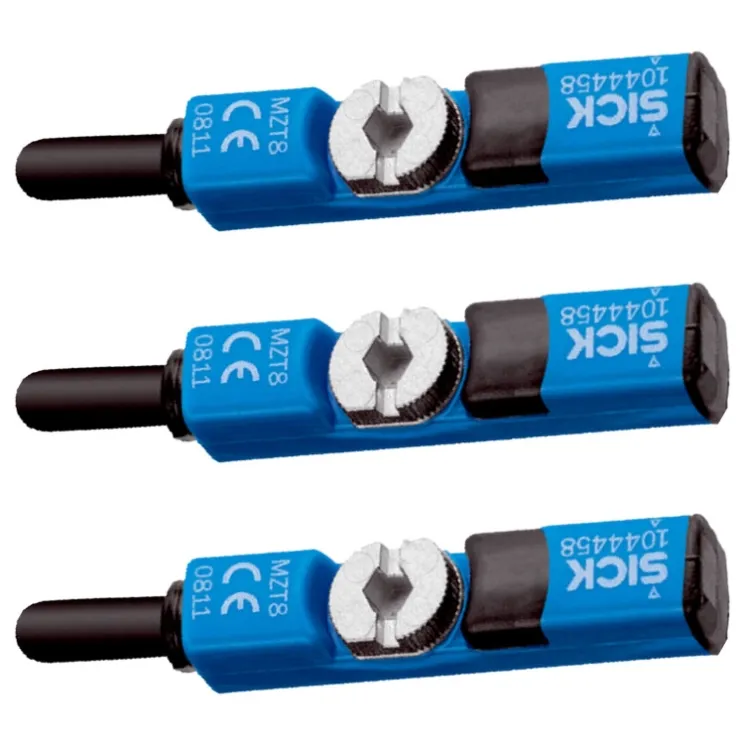
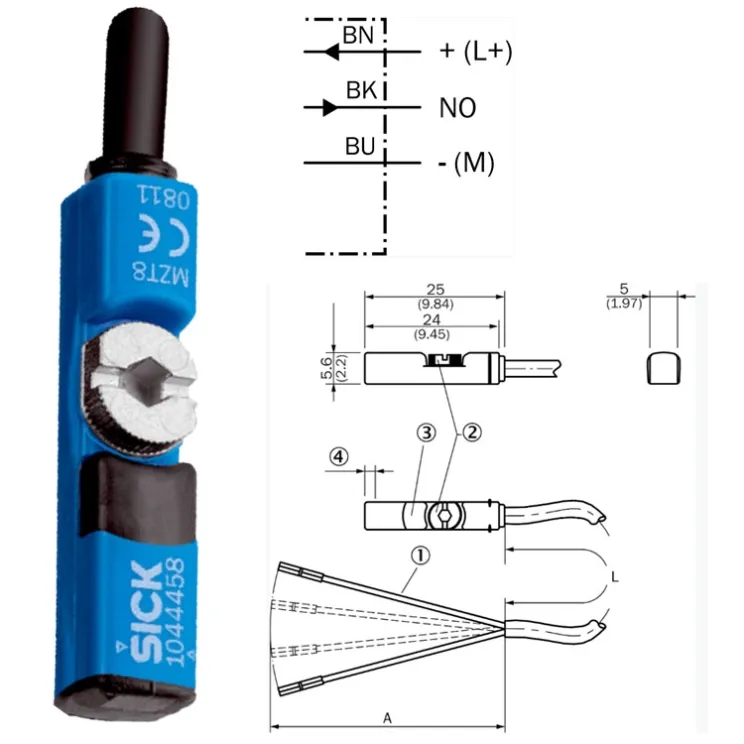
SICK MZT8-03VPS-KP0_1044458 Sensor
SICK MZT8-03VPS-KP0 magnetic cylinder sensor, part 1044458. T-slot position detection through the cylinder wall for pneumatic automation.
Overview
The SICK MZT8-03VPS-KP0 (part number 1044458) is a magnetic position sensor for T-slot profile cylinders of the MZT8 format class. Clamped into the cylinder slot, it detects the piston magnet through the profile wall and converts piston position into a switching signal for machine control.
How It Works
The sensor evaluates the magnetic field of the piston magnet as it passes the clamped position. The field penetrates the non-magnetic cylinder wall, actuating the sensor without any contact. Switching is fast, repeatable and free of mechanical wear.
Key Features
- For T-slot profile cylinders, MZT8 format class
- Part number 1044458
- Contactless position detection through the cylinder wall
- Adjustable switching point along the slot
- High switching reliability with magnet pistons
- Compact, flush-fitting housing
Typical Applications
- End-position detection on pneumatic cylinders
- Position monitoring on clamping and pressing units
- Stroke feedback on handling systems
- Mid-position signaling on long strokes
- Cycle supervision on automation machinery
Specifications
Attribute | Value |
|---|---|
Model | SICK MZT8-03VPS-KP0 |
Part number | 1044458 |
Detection principle | Magnetic field detection through cylinder wall |
Mounting | T-slot (profile cylinder) |
Installation and Setup Notes
Clamp the sensor into the slot at the target position and check the switching point with slow piston movement. Confirm that the piston has a magnet and that the cylinder slot matches the sensor clamp geometry. Protect the cable at the slot exit from sharp edges.
Frequently Asked Questions
What is the difference from MZT7?
The clamp geometry matches different cylinder slot sizes within the T-slot family.
Can one cylinder use two sensors?
Yes, two sensors at different positions provide both end-position signals.
Is the switching point repeatable?
After clamping, the switching point remains fixed; repositioning is possible at any time.