Distance and Measurement Sensors
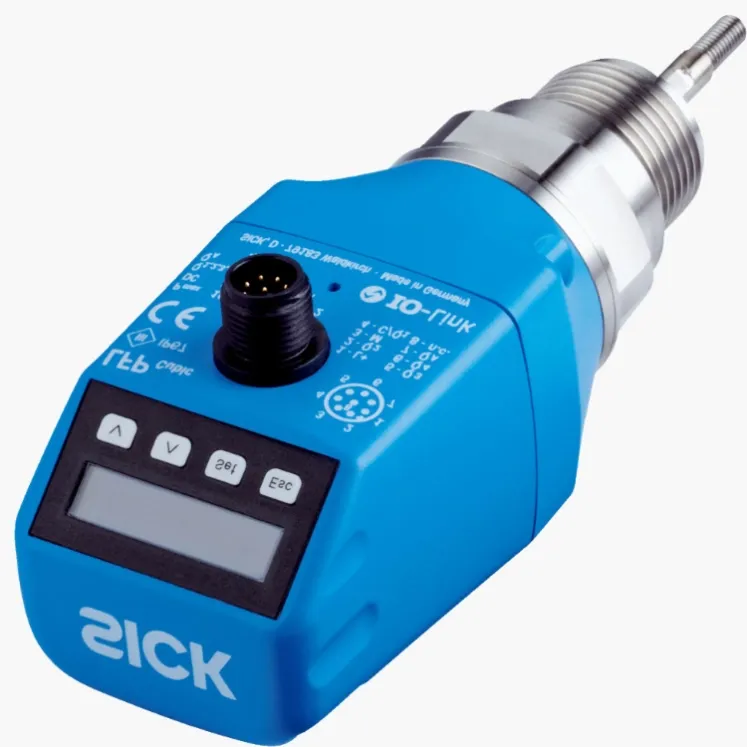
SICK LFP0025-B4NMB Sensor
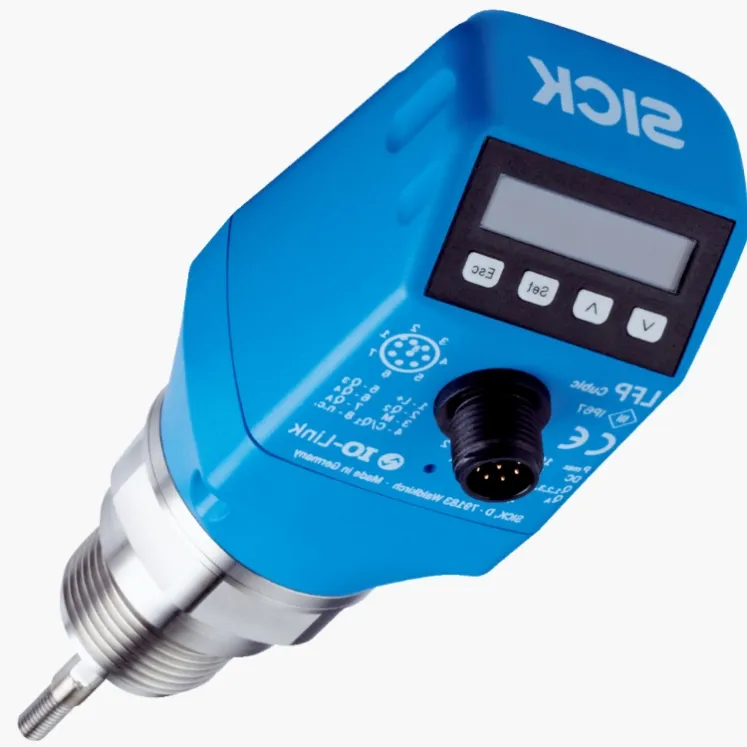
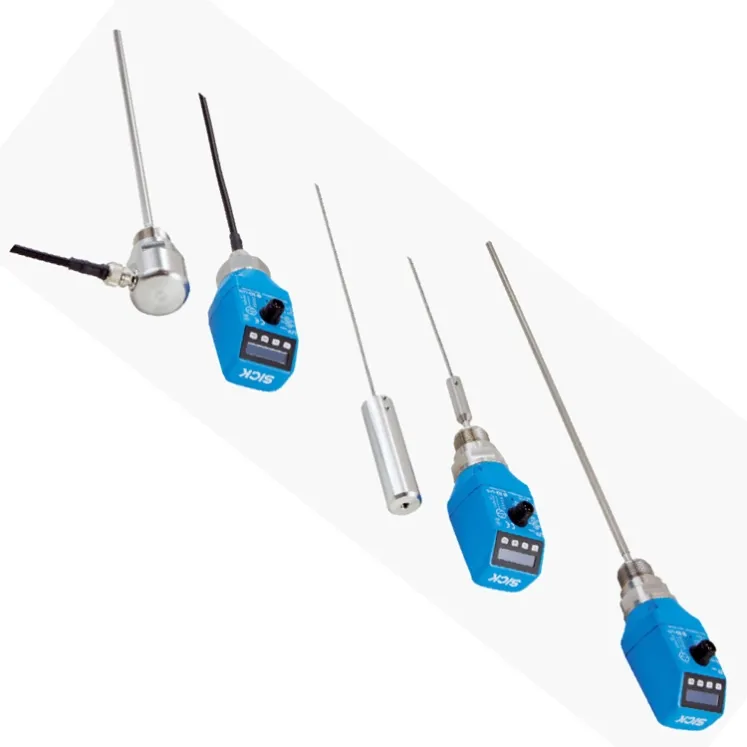
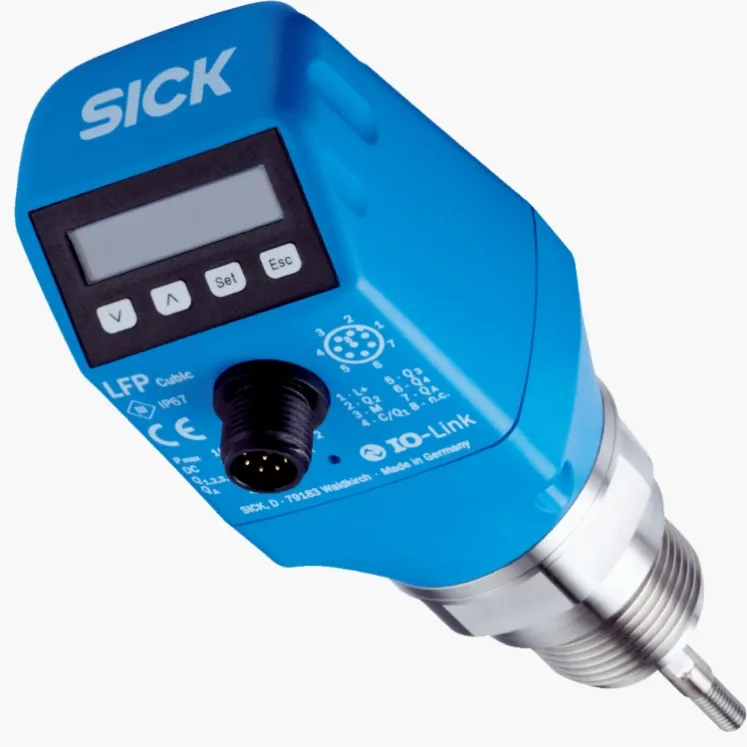
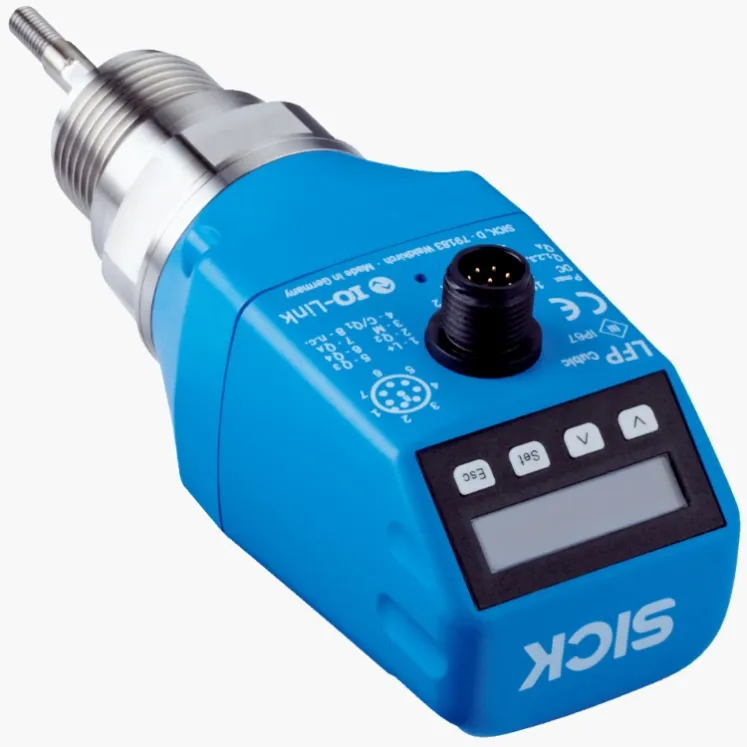
SICK LFP0025-B4NMB TDR level sensor, LFP cubic series, part 1060172. Continuous precise liquid level measurement for process tanks.
Overview
The SICK LFP0025-B4NMB (part number 1060172) is a process level sensor of the LFP cubic series using TDR (time domain reflectometry) technology. It measures the level of liquids continuously and precisely, even under difficult process conditions, and reports the value via standard industrial interfaces.
How It Works
A microwave pulse travels along the probe; when it reaches the liquid surface, part of the pulse reflects back. The electronics evaluate the runtime of this reflection and convert it into a level value. Because the measurement is electromagnetic rather than optical, density, pressure and foaming have little influence.
Key Features
- Continuous TDR level measurement for process tanks
- Precise readings independent of medium density and conductivity changes
- Cubic IO-Link housing with display for local setup
- Part number 1060172
- Stainless process probe for industrial service
- Compact design for tight installation points
Typical Applications
- Continuous level monitoring in chemical and pharmaceutical vessels
- Level measurement in food and beverage process tanks
- Inventory monitoring of storage tanks
- Pump control based on continuous level values
- Overfill and dry-run supervision in process systems
Specifications
Attribute | Value |
|---|---|
Model | SICK LFP0025-B4NMB |
Part number | 1060172 |
Detection principle | TDR (guided microwave) level measurement |
Family | LFP cubic process level sensors |
Installation and Setup Notes
Install the probe away from fill streams and agitators to avoid false reflections, and observe the recommended clearance to vessel walls. Configure the measuring range and empty/full calibration values on site using the display or IO-Link tooling. Verify the level reading against a known vessel volume during commissioning.
Frequently Asked Questions
Does foaming affect the TDR measurement?
Light foam is largely penetrated by the microwave pulse; dense, thick foam layers can influence the reflection and should be considered during placement.
Can it be read remotely?
The cubic family supports IO-Link communication for integration into higher-level monitoring systems.
What media are supported?
Conductive and non-conductive liquids, including many aggressive media with a suitable probe material.