Distance and Measurement Sensors
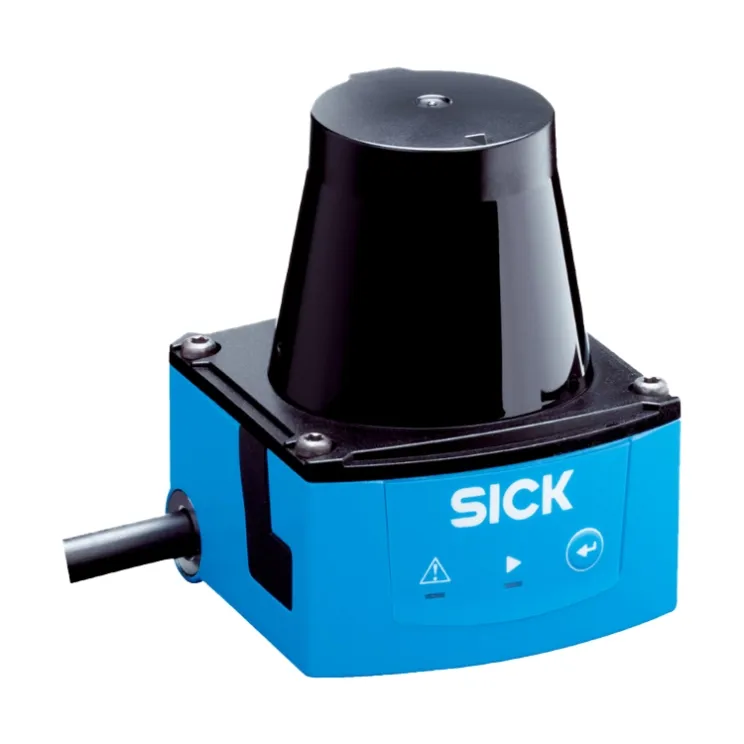
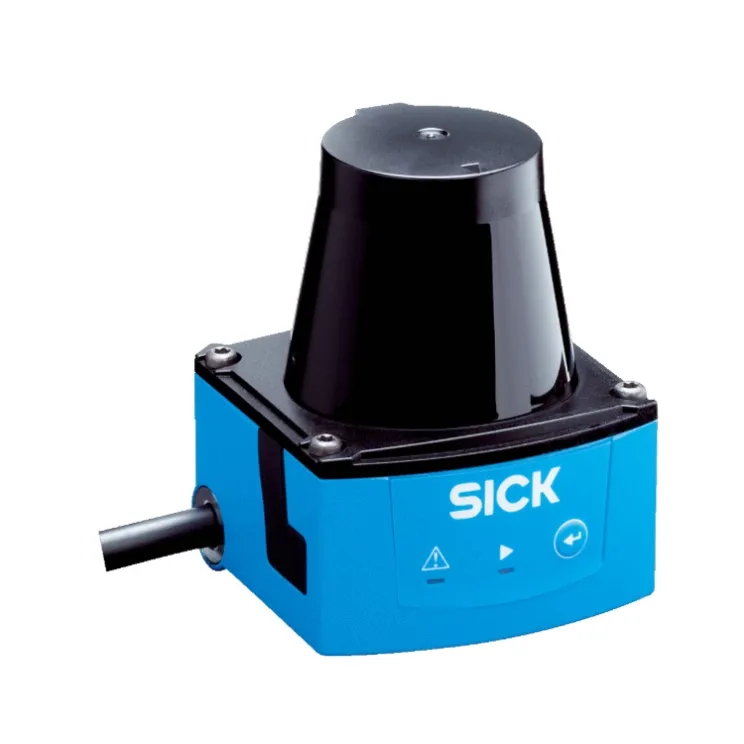
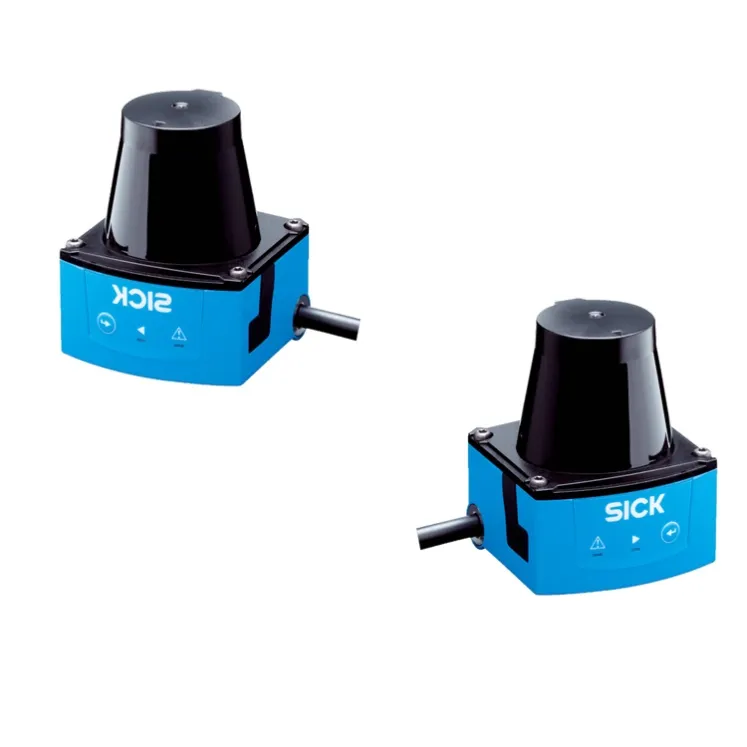
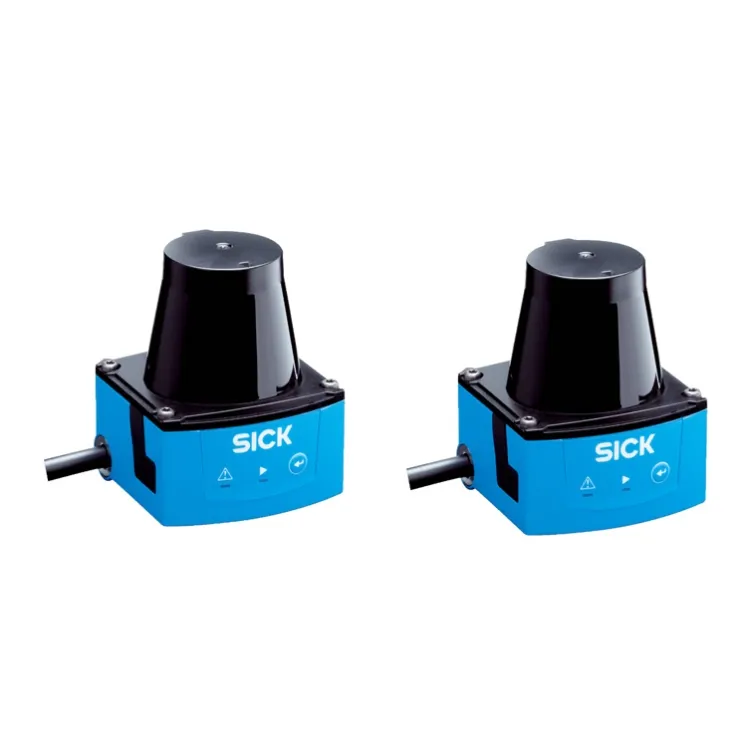
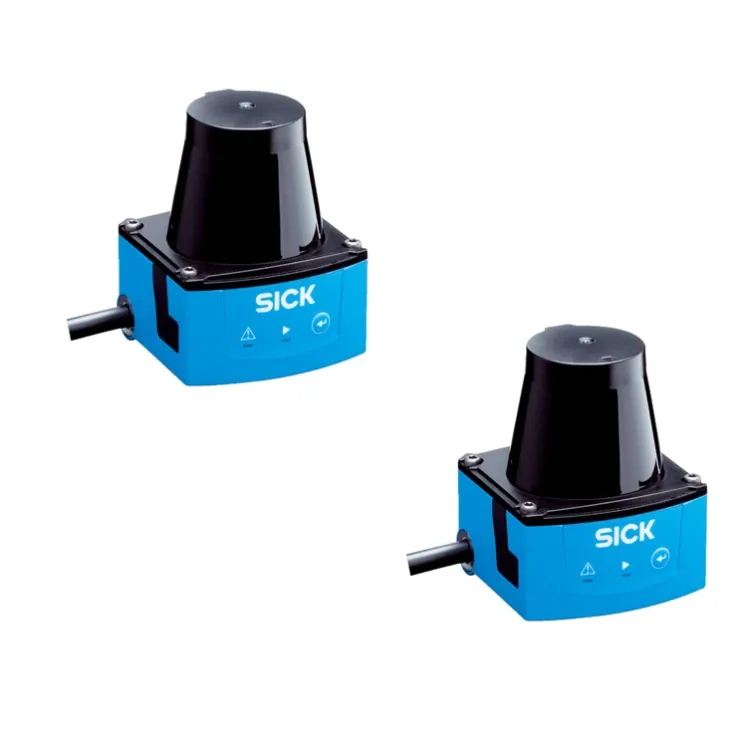
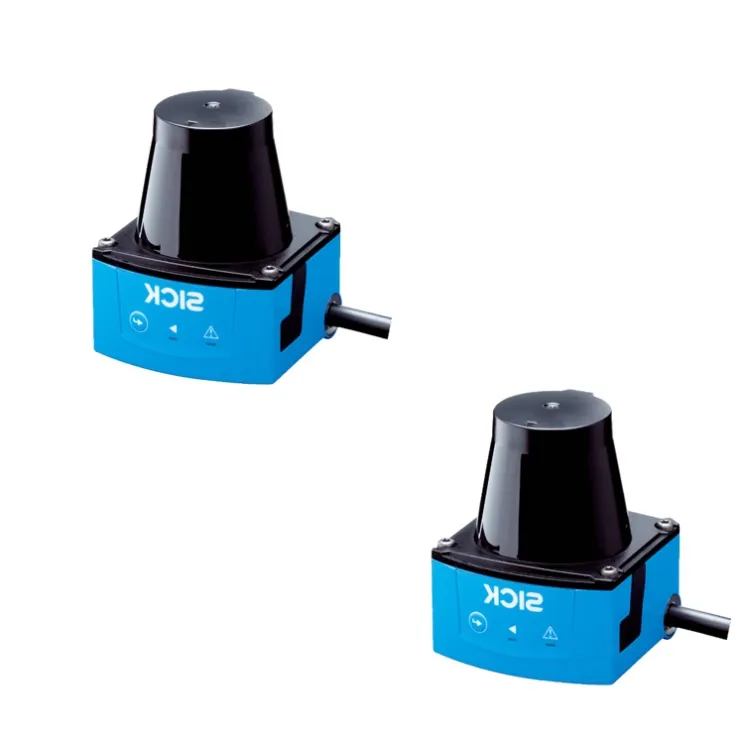
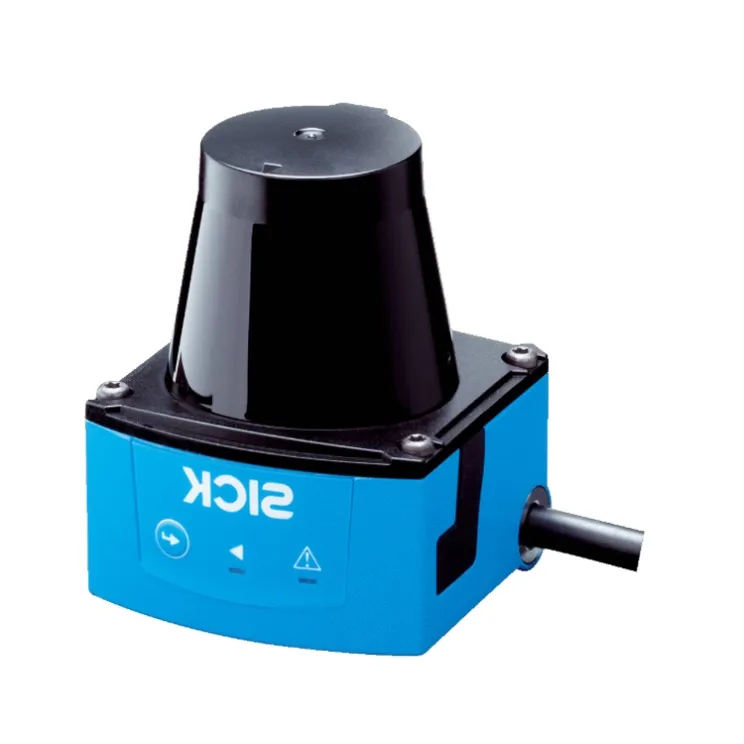
SICK TIM320-1131000S02 Sensor
SICK TIM320-1131000S02 2D LiDAR sensor, part 1067919. Object detection and field monitoring for AGVs and industrial equipment.
Overview
The SICK TIM320-1131000S02 (part number 1067919) belongs to the TiM320 family of compact 2D LiDAR sensors. It scans the environment with a wide aperture for object detection on mobile platforms and stationary machinery, with robust evaluation for demanding vehicle applications.
How It Works
Laser pulses are swept across the scanning plane and evaluated by time of flight, producing a continuous distance profile. The sensor's evaluation detects objects within configured fields and reports them through switching outputs and digital interfaces to the vehicle or machine controller.
Key Features
- Compact 2D LiDAR for object detection
- Part number 1067919
- Wide scanning aperture for vehicle surroundings
- Configurable detection and warning fields
- Synchronization support for multi-sensor setups
- Rugged housing for mobile operation
Typical Applications
- Surroundings detection on automated guided vehicles
- Object detection on shuttles and transfer cars
- Monitoring of driving corridors in intralogistics
- Peripheral area monitoring on industrial equipment
- Docking support on automated transport systems
Specifications
Attribute | Value |
|---|---|
Model | SICK TIM320-1131000S02 |
Part number | 1067919 |
Detection principle | 2D LiDAR scanning |
Family | TiM320 LiDAR sensors |
Installation and Setup Notes
Mount the sensor so the scan plane covers the obstacle heights relevant to the vehicle, and align the field geometry with the driving corridor. After commissioning, walk-test the detection fields with representative objects. Clean the window periodically in dusty warehouses.
Frequently Asked Questions
What does the 1131 configuration mean?
The order code defines scanning range and synchronization configuration of this TiM320 variant.
Can it detect thin posts and cables?
Detection of thin objects depends on distance and angular resolution; validate with the actual obstacles at the working distance.
How does it complement safety scanners?
It adds object detection and field monitoring; personnel protection tasks use safety-rated scanners.