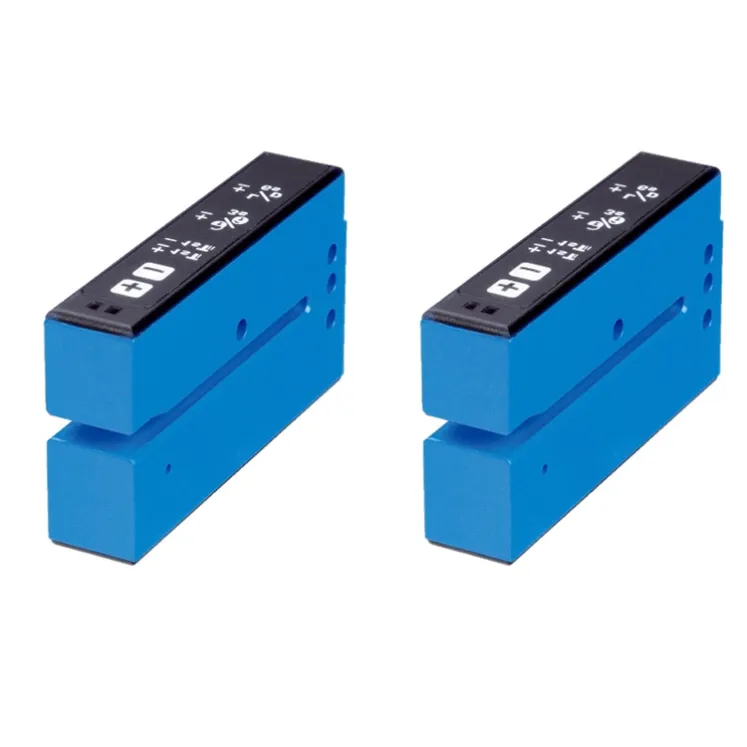
Photoelectric Sensors
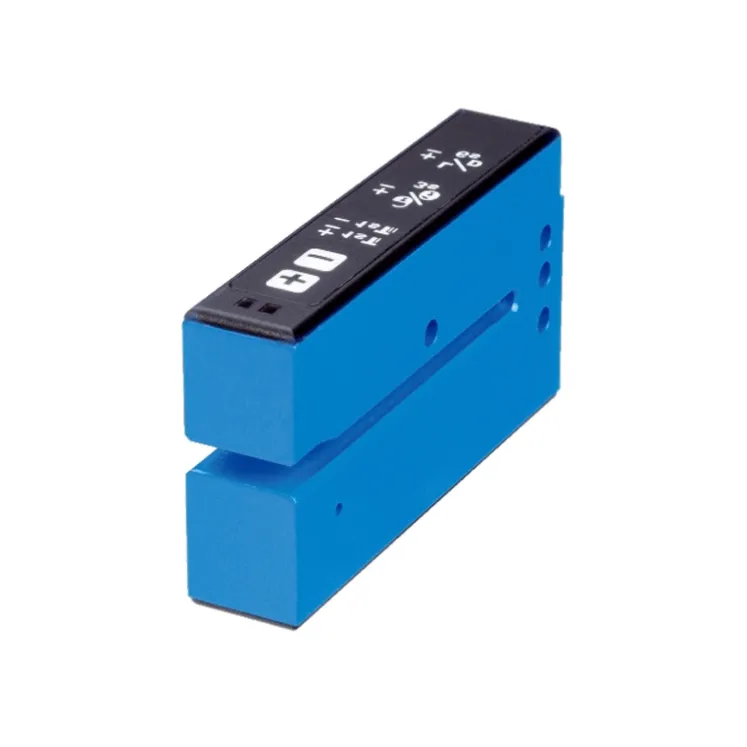
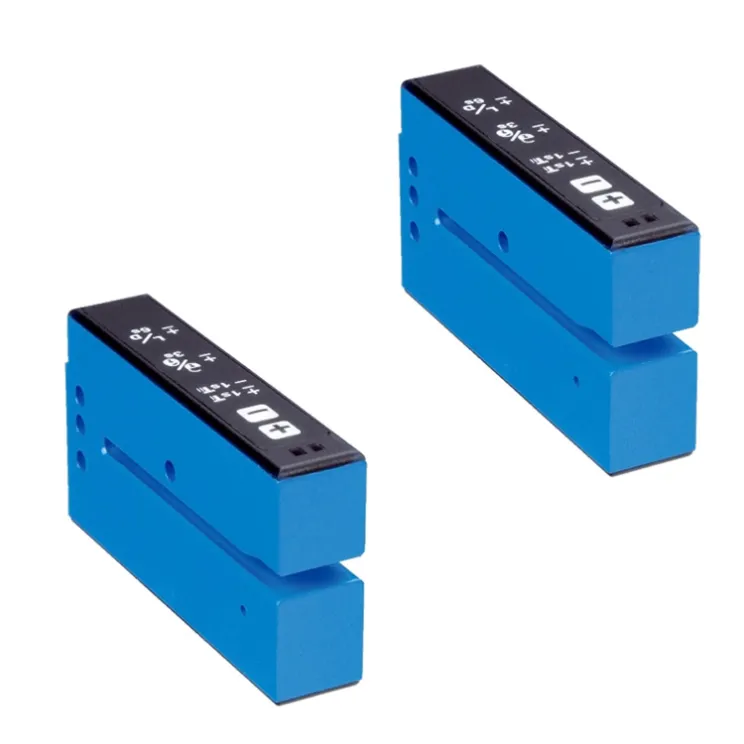
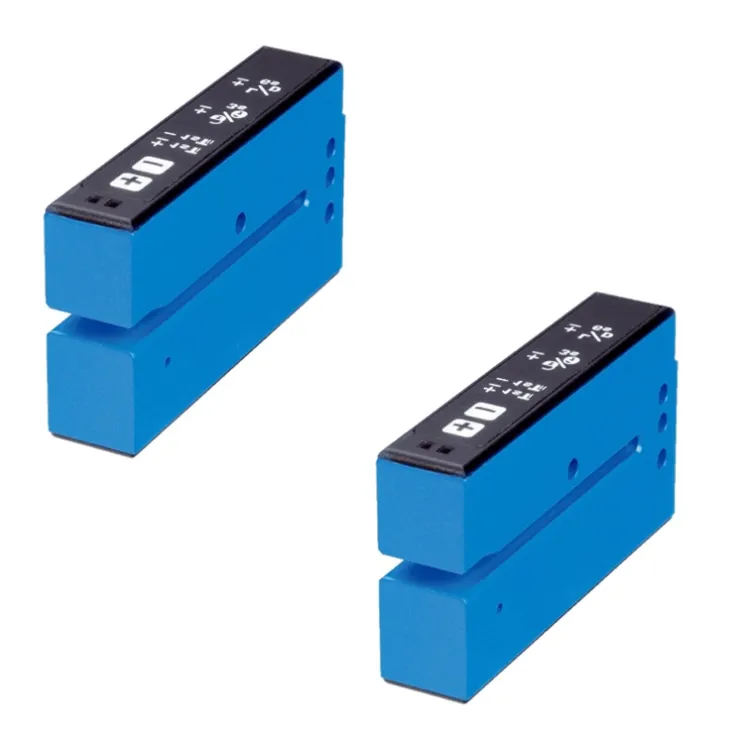
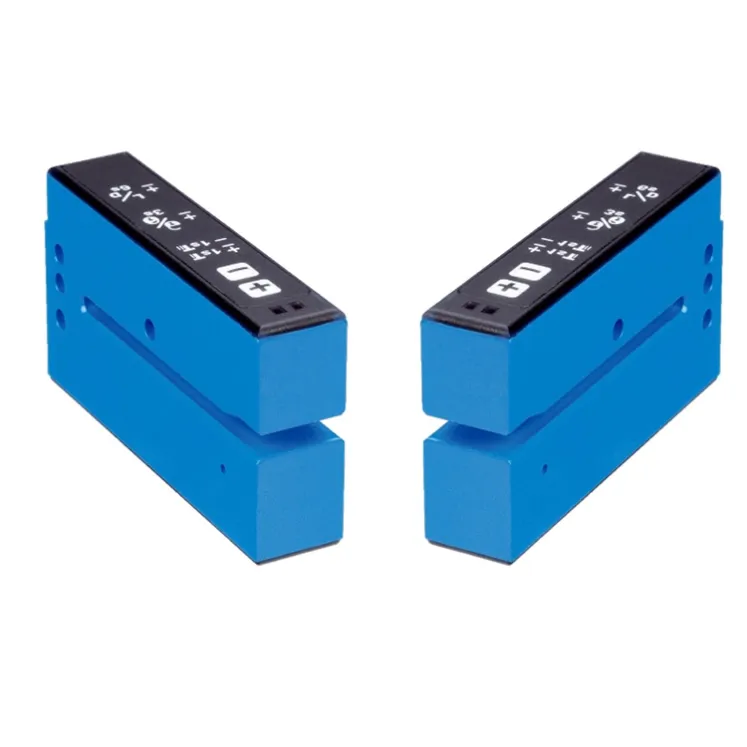
SICK UFN3-70B413 Sensor
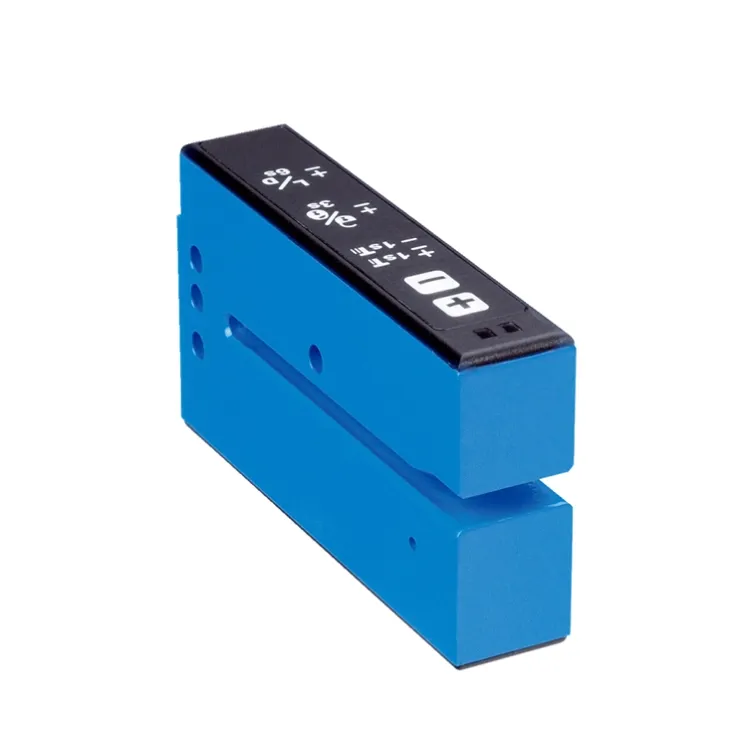
SICK UFN3-70B413 fork sensor, 70 mm slot, part 6049678. Factory-aligned optics for fast label detection and web edge monitoring without field adjustment.
Overview
The SICK GSE6-N1112 (part number 1052453) is a through-beam photoelectric sensor in the compact G6 rectangular format with NPN output. Sender and receiver are placed opposite each other, so any object that interrupts the beam is detected, regardless of its color, surface or transparency.
How It Works
The sender projects a modulated beam directly into the receiver. As long as the receiver sees the beam, the output stays in one state; when an object blocks the light path, the output switches. Because the light travels only one way and is received directly, through-beam systems deliver the highest optical margin of all photoelectric principles.
Key Features
- Through-beam principle detects nearly any material
- Reliable detection of transparent and shiny objects
- Highest optical margin, tolerant of dust and dirt on optics
- Compact rectangular G6 housing for both sender and receiver
- NPN switching output (N order code)
- Part number 1052453
Typical Applications
- Detection of transparent films, glass and clear plastics
- Reliable object detection on dusty conveyor lines
- Edge and hole detection on webs and sheets
- Presence checks where diffuse sensors reach their limits
- Monitoring of small gaps between products
Specifications
Attribute | Value |
|---|---|
Model | SICK GSE6-N1112 |
Part number | 1052453 |
Detection principle | Through-beam photoelectric |
Housing family | G6 compact rectangular |
Output type | NPN switching output |
Installation and Setup Notes
Mount sender and receiver exactly opposite each other and secure both rigidly; through-beam alignment determines the long-term stability of the barrier. Use the alignment aids of the housing to center the beam. Even with high optical margin, clean the optical faces periodically on dusty lines to keep the reserve intact.
Frequently Asked Questions
Why choose through-beam detection?
It detects any object that blocks the beam, including transparent and glossy items, and offers the best tolerance to contamination.
Does it need a reflector?
No, it needs the matching receiver unit mounted opposite; there is no reflector to misalign.
What output does the GSE6-N1112 use?
An NPN switching output.
Related Photoelectric Sensors
For background suppression in the same G6 format, see the SICK GTB6-N1212. For miniature dual-lens detection, see the SICK GL6-P4212.Overview
The SICK UFN3-70B413 (part number 6049678) is a fork sensor from the UF family with a 70 mm fork width. Sender and receiver are built into one rigid housing facing each other across the slot, so the optical axis is factory-aligned. Objects passing through the fork are detected instantly, which makes fork sensors the standard solution for label detection on webs and for fast edge detection.
How It Works
Light crosses the fork gap from the sender side to the receiver side. When a label, web edge or part enters the gap, the beam is interrupted and the output switches. Because the optical axis is fixed by the housing, no alignment work is needed on site, and the short, stable optical path supports very fast response times.
Key Features
- Factory-aligned optics with no field alignment required
- 70 mm fork width for labels and wider webs
- Fiber-optic based detection for fast response
- Rigid one-piece housing keeps sender and receiver aligned
- Reliable detection of transparent and opaque labels
- Compact design mounts directly on the machine frame
Typical Applications
- Label detection on packaging and filling machines
- Web edge monitoring on printing and converting lines
- Splice and gap detection on continuous material
- Small-part and wire detection on assembly equipment
- Hole and notch detection on moving sheets
Specifications
Attribute | Value |
|---|---|
Model | SICK UFN3-70B413 |
Part number | 6049678 |
Detection principle | Fork (slot) photoelectric, fiber-optic based |
Fork width | 70 mm |
Installation and Setup Notes
Mount the fork so the web runs centered through the gap without rubbing the housing. Route the fiber connection with an adequate bend radius and protect it from mechanical stress. Blow out the fork slot periodically in dusty environments; because the optical path is short, fork sensors recover full performance after simple cleaning.
Frequently Asked Questions
Why use a fork sensor instead of two separate photoelectric sensors?
The fixed optical axis removes alignment work and stays stable under vibration, and the short path enables faster response and reliable detection of small marks.
Can it detect transparent labels?
Yes, fork sensors with suitable optical evaluation detect transparent labels on paper and film backing.
What does the 70 mm dimension mean?
It is the width of the fork gap that the web passes through.
Related Photoelectric Sensors
For a 40 mm fork alternative, see the SICK WFS3-40N415. For a 120 mm wide slot, see the SICK WF120-60B410.