Photoelectric Sensors
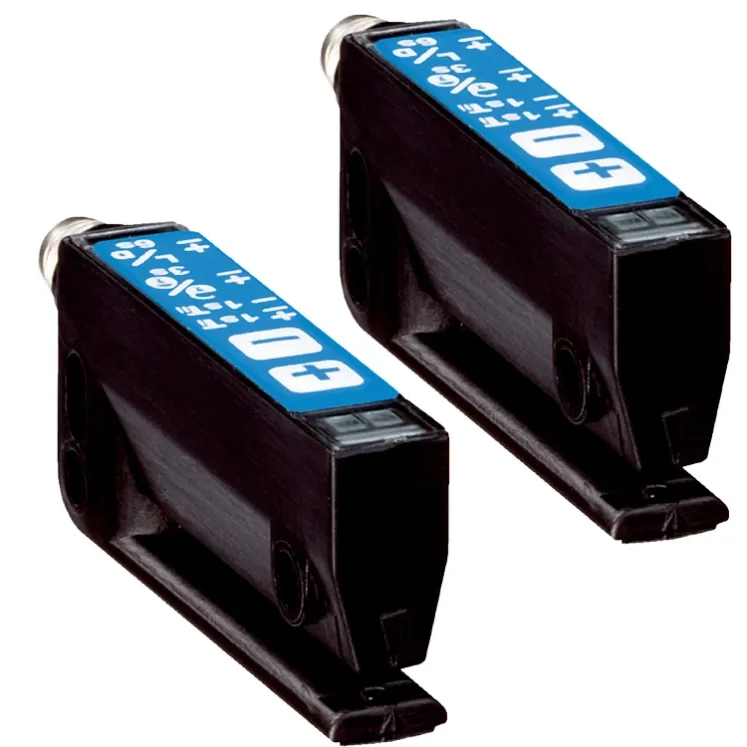
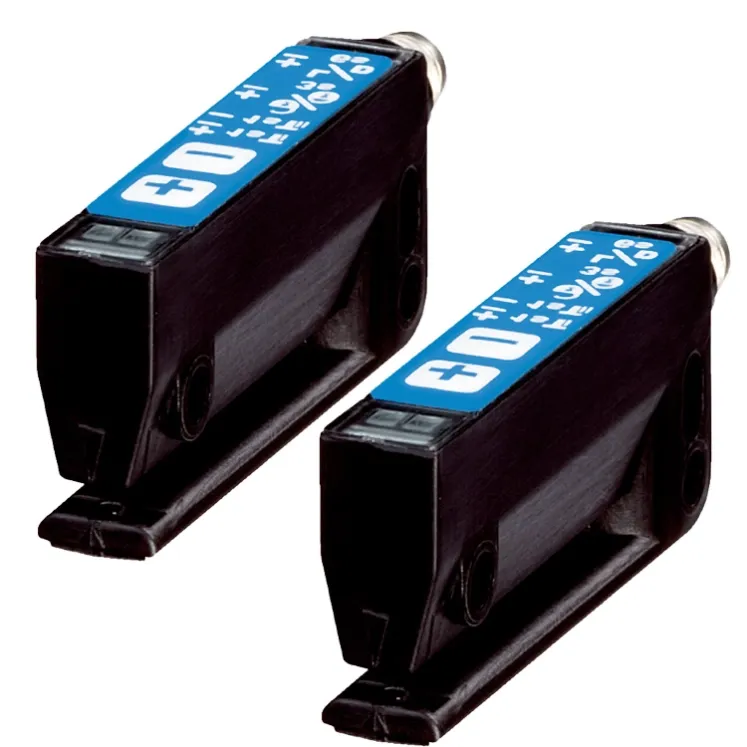
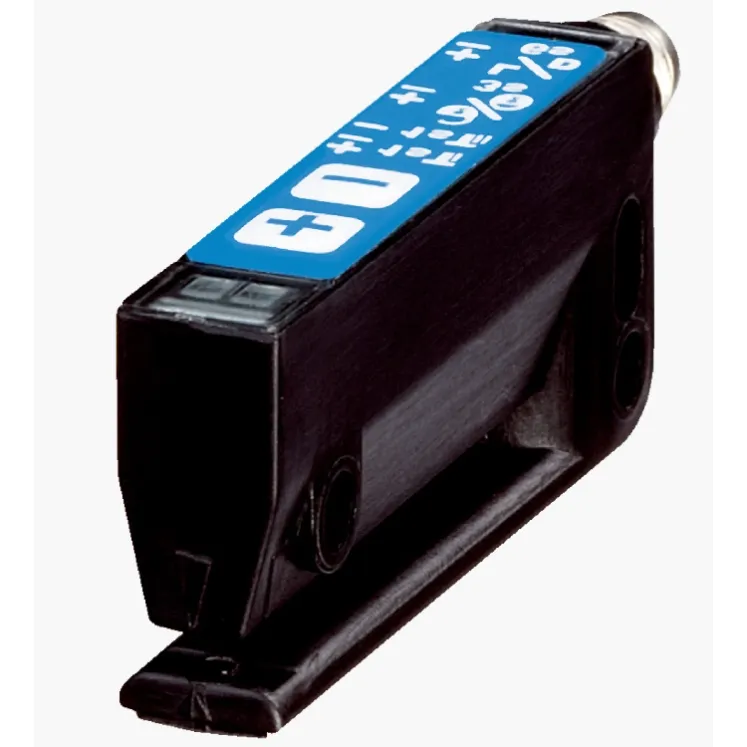
SICK WFS3-40N415 Sensor
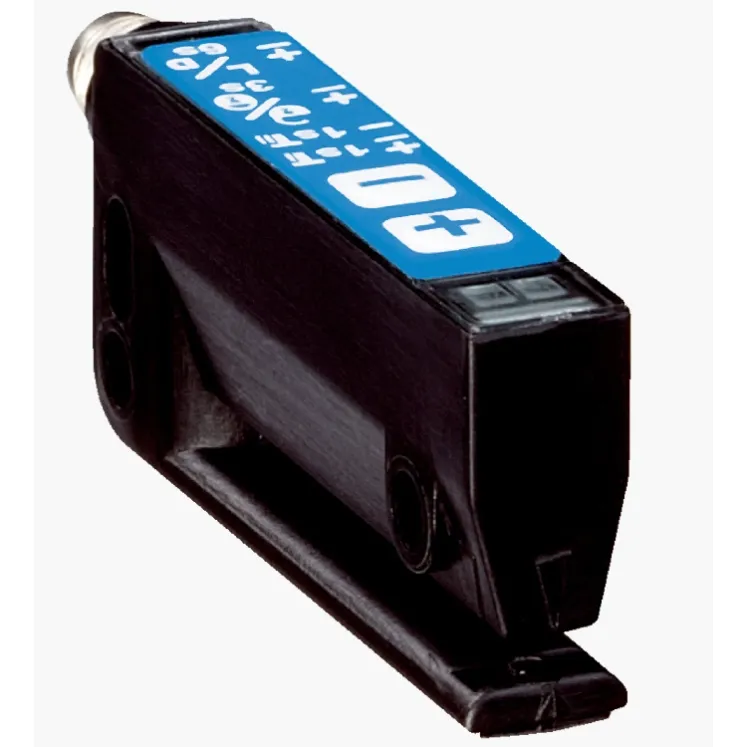
SICK WFS3-40N415 fork sensor, 40 mm slot, part 6043920. Rigid one-piece housing for reliable label and edge detection on packaging lines.
Overview
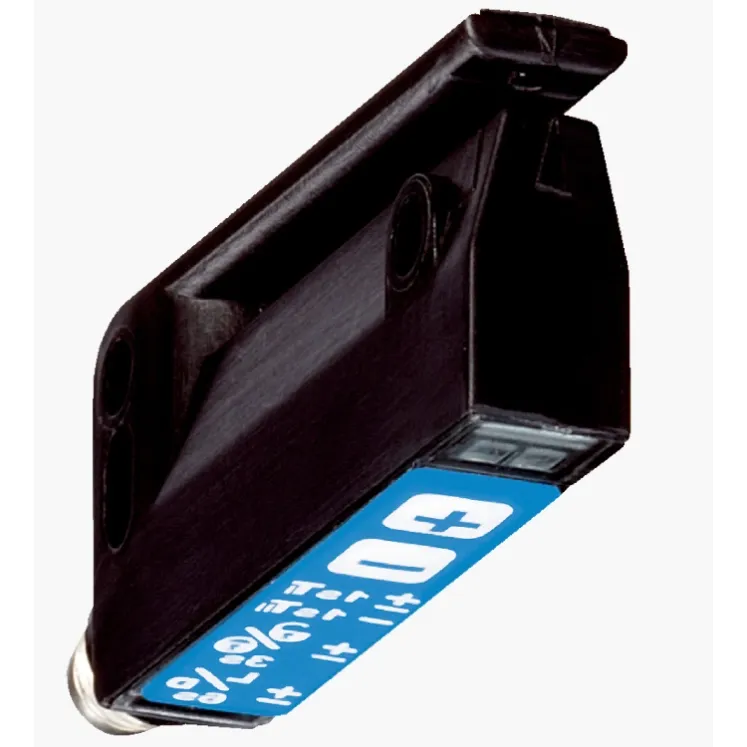
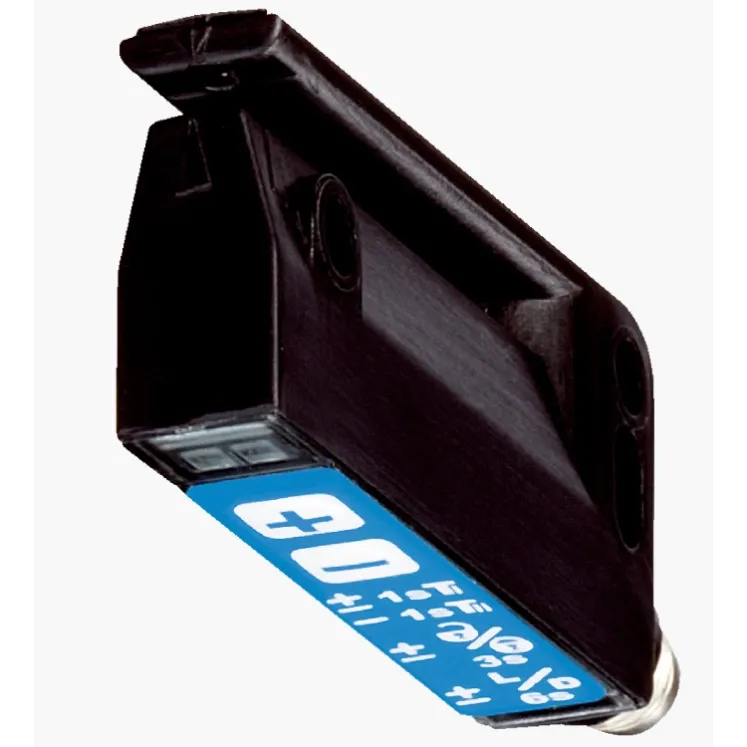
The SICK WFS3-40N415 (part number 6043920) is a compact fork sensor of the WFS family with a 40 mm fork width. Its one-piece housing keeps the sender and receiver permanently aligned, delivering dependable detection of labels, web edges and small parts without any field adjustment.
How It Works
The beam crosses the fork gap from sender to receiver. An object entering the gap interrupts the light and the output switches. The short, fixed optical path provides fast response and high optical stability, so even thin labels passing at speed are detected reliably.
Key Features
- Factory-aligned optics in a rigid fork housing
- 40 mm fork width suited to standard label webs
- No reflector and no alignment work on site
- Fast response for high-speed label and edge detection
- Dependable switching on transparent and opaque materials
- Compact housing for direct frame mounting
Typical Applications
- Label presence detection on filling and packaging lines
- Label position control on pharmaceutical packaging
- Edge guiding feedback on converting machines
- Gap and splice detection on continuous webs
- Small-part detection on automated assembly lines
Specifications
Attribute | Value |
|---|---|
Model | SICK WFS3-40N415 |
Part number | 6043920 |
Detection principle | Fork (slot) photoelectric |
Fork width | 40 mm |
Installation and Setup Notes
Position the fork so the material passes through the center of the gap and cannot touch the housing. Protect the cable from web tension equipment and observe the bend radius. In paper dust environments, add the fork slot to the regular cleaning schedule to keep the optical margin high.
Frequently Asked Questions
Which fork width should be selected?
Choose the fork slightly wider than the web or labels to be passed through; 40 mm covers common label webs, 70 mm and 120 mm versions exist for wider material.
Does it need a reflector?
No, sender and receiver are integrated in the fork housing.
Can it detect the leading edge of a transparent film?
Yes, fork sensors detect film edges reliably due to the short optical path and suitable evaluation.
Related Photoelectric Sensors
For a wider 70 mm fork, see the SICK UFN3-70B413. For a 120 mm slot sensor, see the SICK WF120-60B410.