Identification Systems
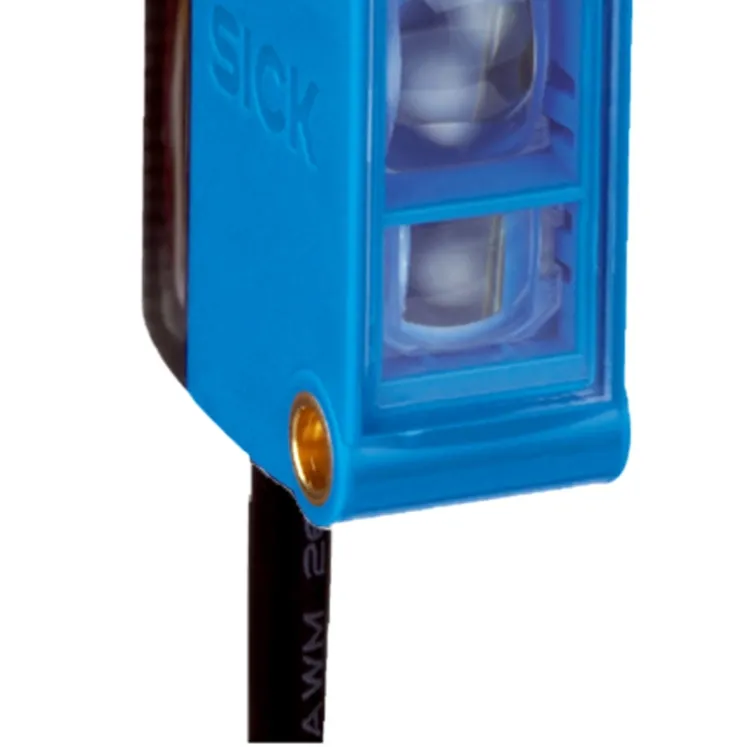
SICK KTM-WN11182P Sensor
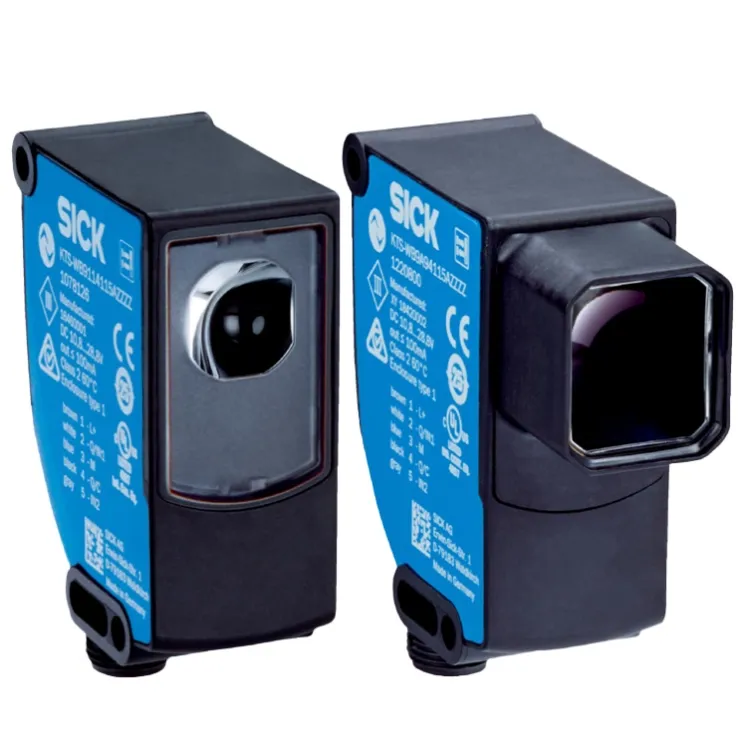
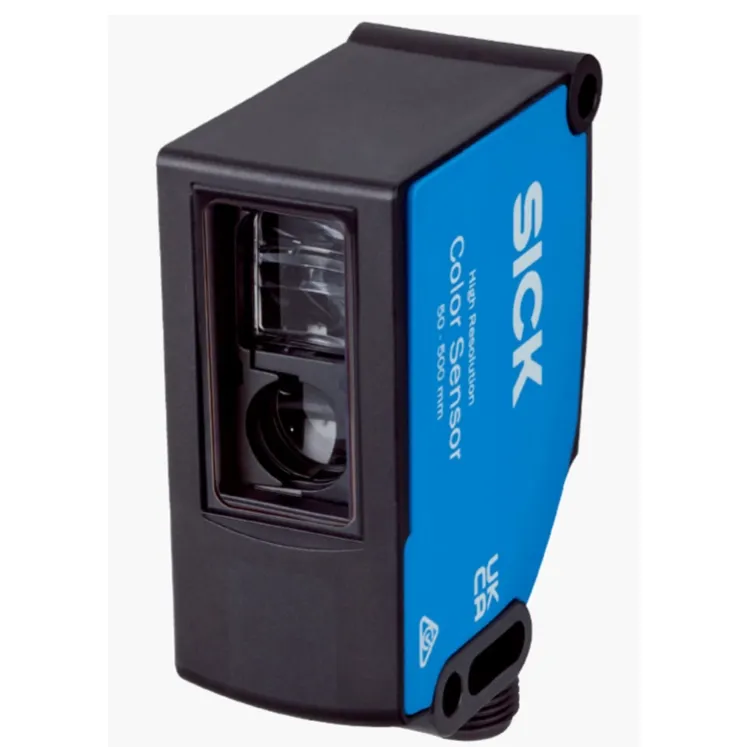
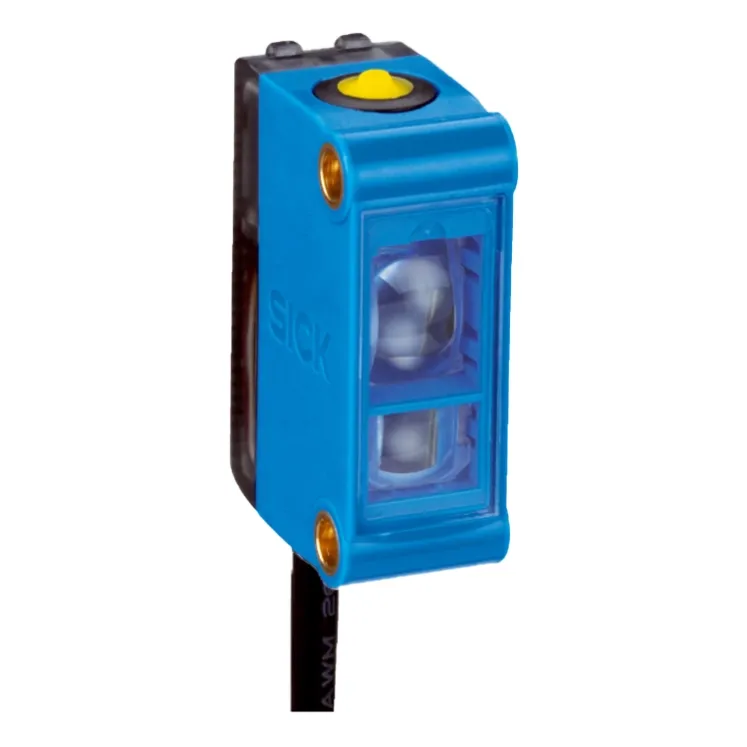
SICK KTM-WN11182P contrast sensor, part 1062150. Compact contrast sensor for fast print mark detection on packaging webs.
Overview
The SICK KTM-WN11182P (part number 1062150) is a contrast sensor of the KTM family in the compact 12 mm x 31.5 mm x 21 mm format. It provides reliable print mark detection for registration control on packaging, printing and labeling machines, with NPN output and 12 V DC to 24 V DC supply.
How It Works
A light spot is projected onto the moving web and the reflected intensity is evaluated. After teach-in, the sensor switches its output when the spot passes the edge of the print mark, delivering a precise registration pulse to the machine control.
Key Features
- Compact housing 12 mm x 31.5 mm x 21 mm
- Part number 1062150
- NPN switching output
- Supply 12 V DC ... 24 V DC
- Fast response for high-speed registration
- Stable switching with simple teach-in
Typical Applications
- Print mark scanning on packaging webs
- Registration on printing and converting machines
- Label and seal position control
- Cutting synchronization on film lines
- Mark detection on pharmaceutical packaging
Specifications
Attribute | Value |
|---|---|
Model | SICK KTM-WN11182P |
Part number | 1062150 |
Device type | Contrast sensor |
Housing size | 12 mm x 31.5 mm x 21 mm |
Output type | NPN switching output |
Supply voltage | 12 V DC ... 24 V DC |
Installation and Setup Notes
Mount the sensor with the light spot at the mark position and teach the switching threshold on the real web. Ensure sufficient contrast margin between mark and background, and verify switching delay behavior at production speed for precise registration.
Frequently Asked Questions
What is the difference from the WN11181P variant?
The order codes define light type and connection details of the two KTM variants.
Can it detect white marks on transparent film?
Depending on the backing, yes; validate the contrast on the actual packaging structure.
How stable is the switching point?
After teach-in the threshold remains stable; re-teach when changing web material or lighting conditions change significantly.