Photoelectric Sensors
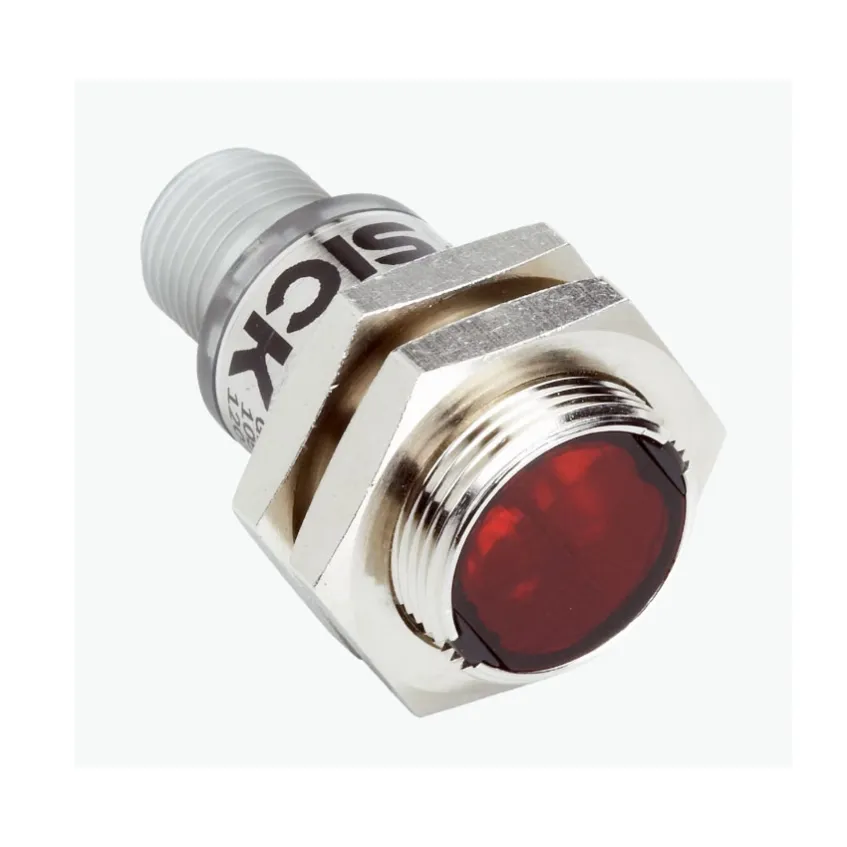
SICK GRTE18-P1142 Sensor
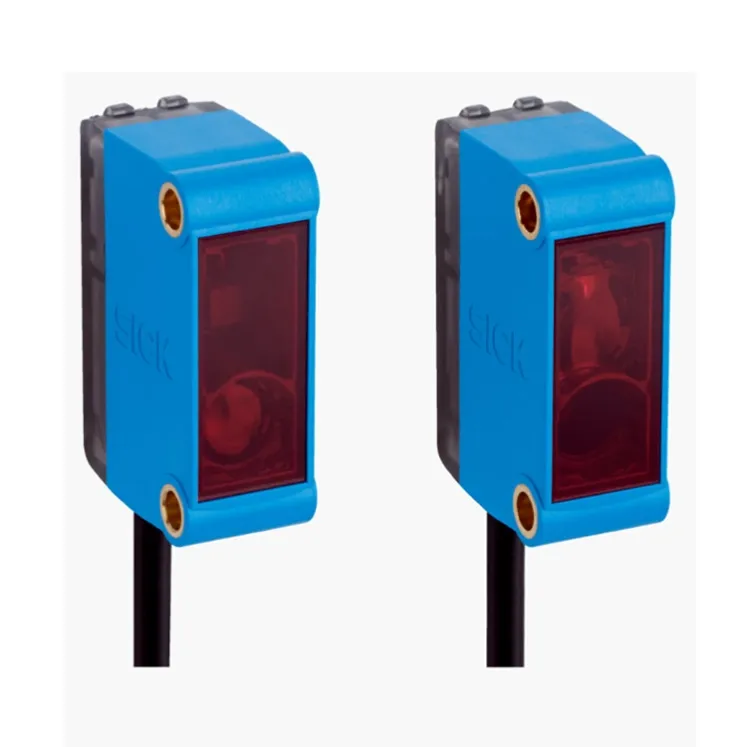
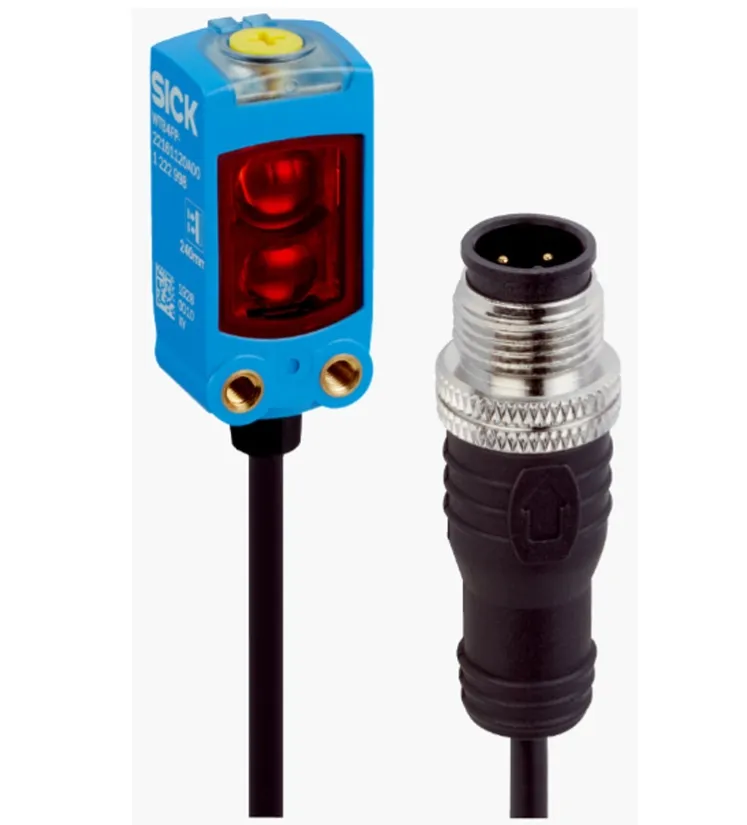
SICK GRTE18-P1142 enhanced energetic diffuse photoelectric sensor, PNP. Short-range detection of dark and weakly reflecting parts in assembly fixtures.
Overview
The SICK GRTE18-P1142 is an energetic diffuse photoelectric sensor from the GR18 family, built as an enhanced (high excess gain) variant with PNP output. It is engineered for dependable short-range presence detection, including targets that reflect little light.
How It Works
The enhanced energetic principle drives the LED with high optical power, so even weak reflections from dark or small objects generate a usable signal. When the returned light crosses the threshold, the output switches. The short operating range of the family keeps the light spot concentrated on the target.
Key Features
- Enhanced (energetic) optics with strong excess gain
- Short-range diffuse detection around the 100 mm class
- PNP switching output (P order code)
- Reliable detection of dark and weakly reflecting targets
- Compact rectangular housing for close mounting
- High ambient-light immunity for shop floor conditions
Typical Applications
- Presence checks of small parts in assembly fixtures
- Detection of dark rubber or foam components at short range
- Monitoring of insert position in welding and joining stations
- Verification of connectors and cables in harness production
- Object detection on compact manual workstations
Specifications
Attribute | Value |
|---|---|
Model | SICK GRTE18-P1142 |
Detection principle | Enhanced energetic diffuse photoelectric |
Housing family | GR18 compact rectangular |
Output type | PNP switching output |
Operating range class | Short range (family-typical around 115 mm) |
Installation and Setup Notes
Mount the sensor close to the target and angle it so the light spot avoids specular hot spots such as weld beads or shiny labels. On enhanced energetic sensors, reserve a small sensitivity margin so production variation in color does not cause false drops. Keep the lens clean where welding spatter or dust is present.
Frequently Asked Questions
What makes the E variant different from a standard diffuse sensor?
The enhanced optics provide higher excess gain, so dark and weakly reflecting objects are detected more reliably at short range.
Is a background-suppression model needed instead?
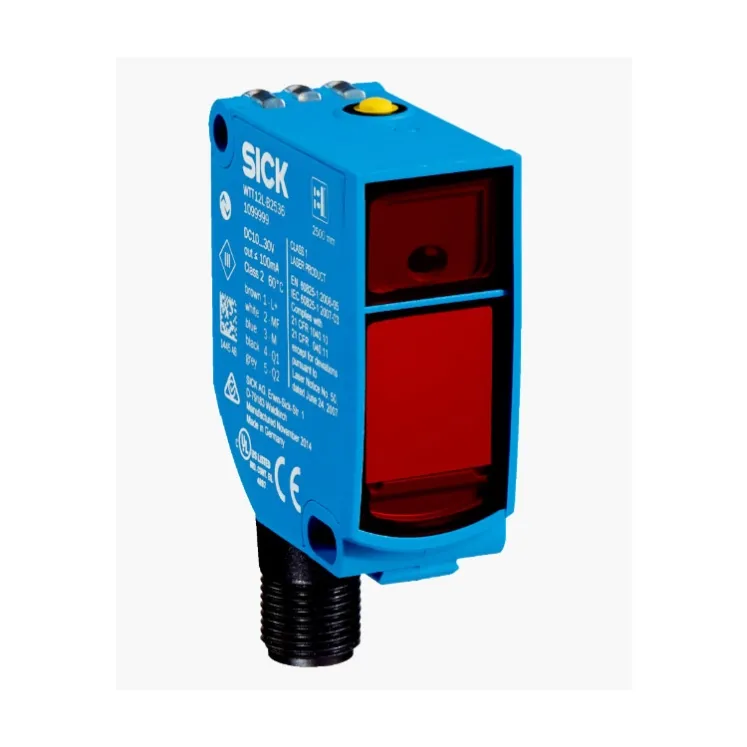
If a reflective surface sits behind the target at a similar distance, background suppression (GTB or WT12L families) prevents false switching.
What output does this variant use?
A PNP switching output, suitable for standard PLC inputs.
Related Photoelectric Sensors
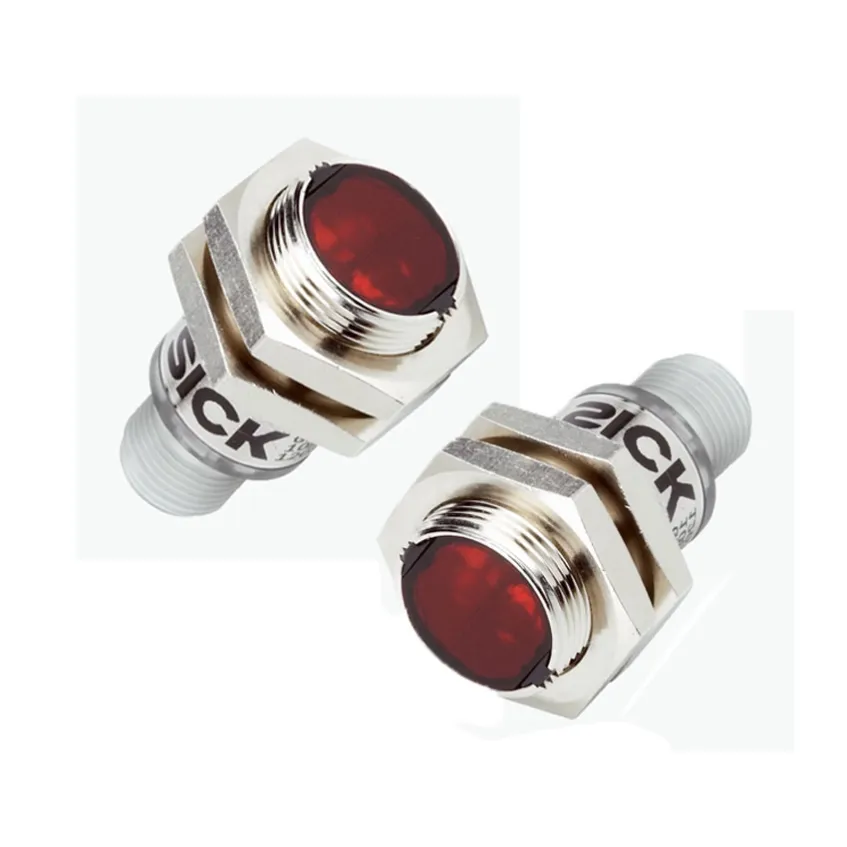
For the NPN variant of the same family, see the SICK GRTE18-N1147. For cylindrical-format detection, see the SICK HL18-P4A3AAS06.