Encoders
SICK DBS60E-TECC02048 Sensor
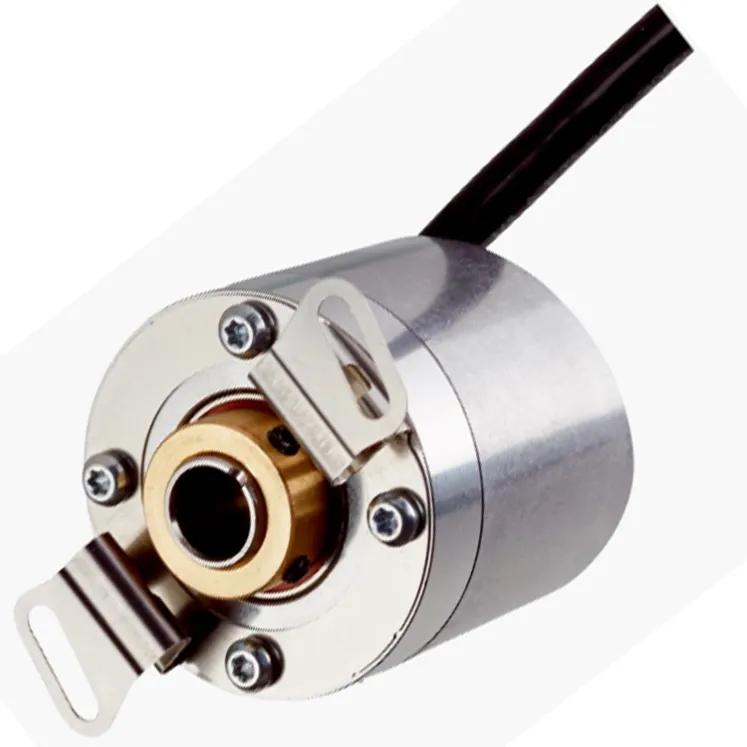
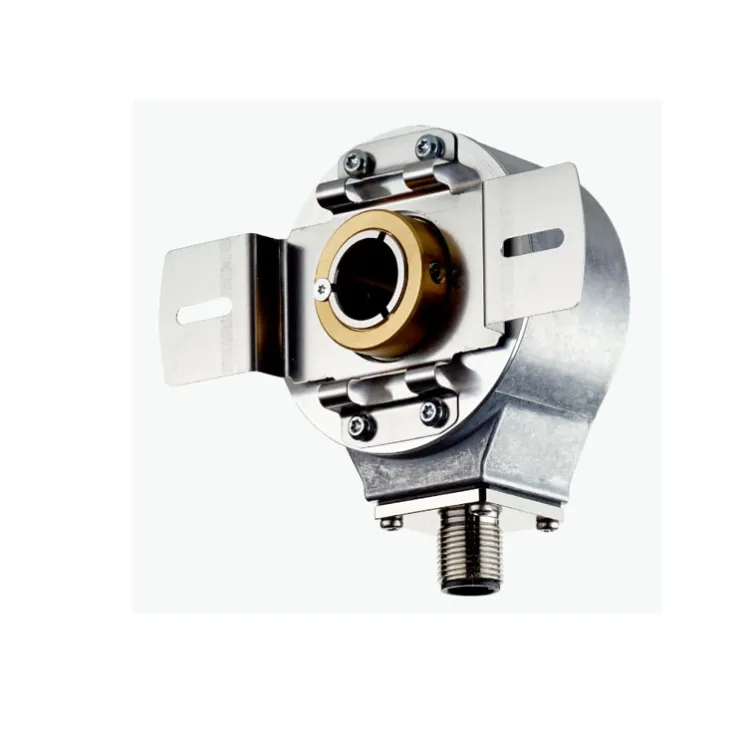
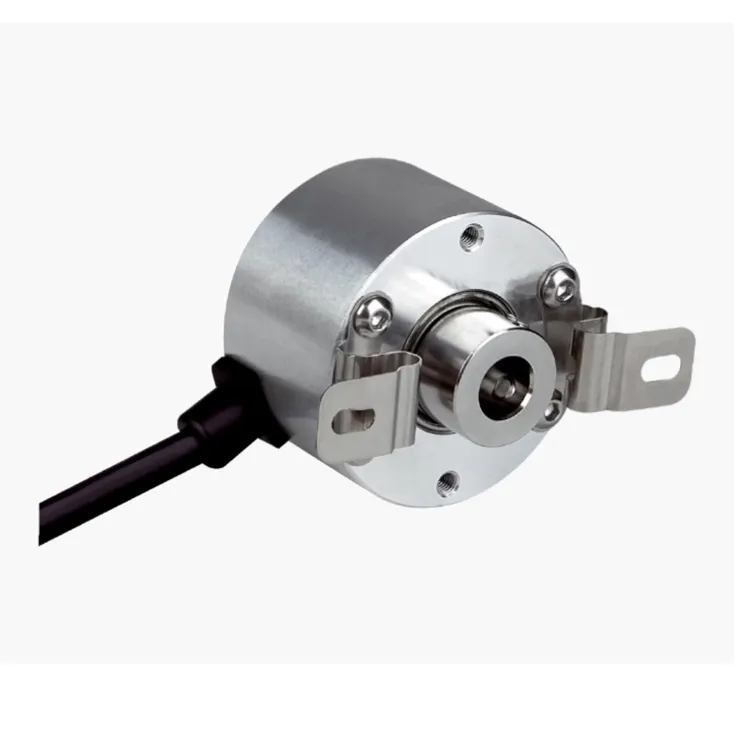
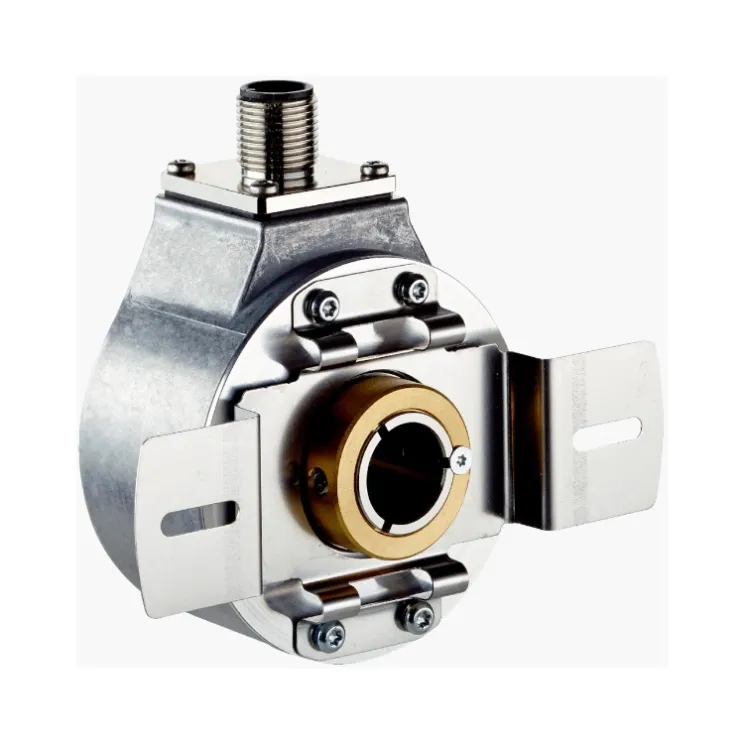
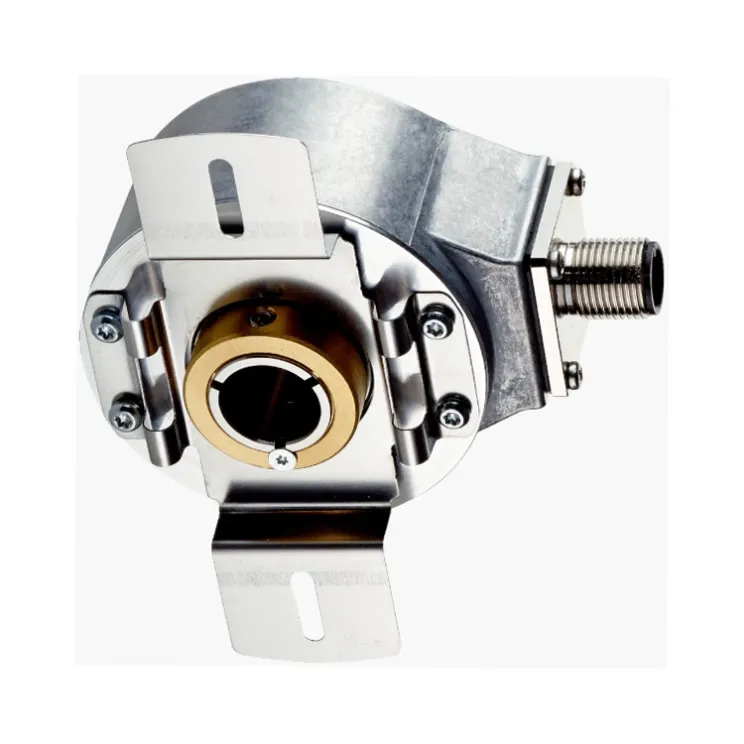
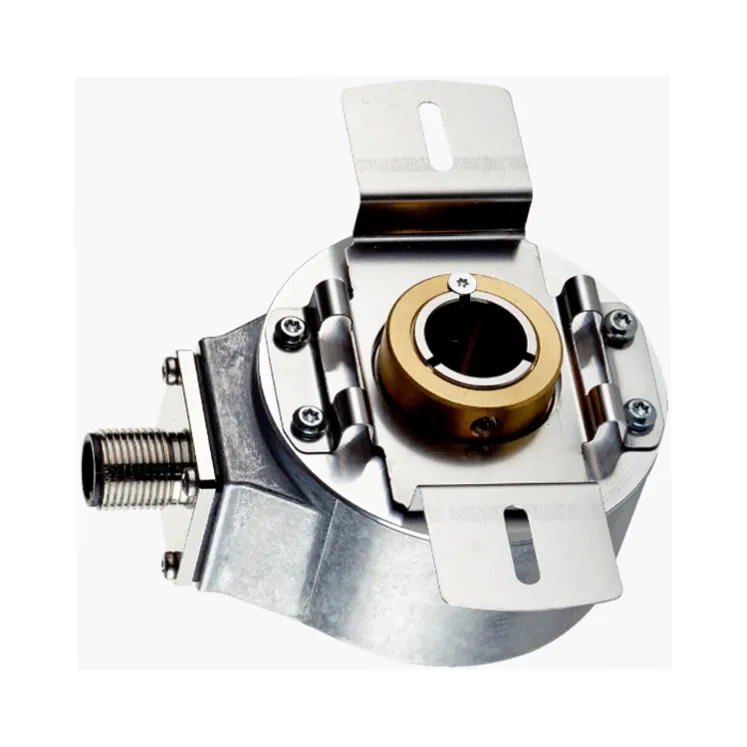
SICK DBS60E-TECC02048 incremental encoder, part 1095913. Hollow shaft with 2048 pulses per revolution for industrial drives.
Overview
The SICK DBS60E-TECC02048 (part number 1095913) is an incremental rotary encoder of the DBS60E hollow-shaft family with 2048 pulses per revolution per the order code. It delivers precise speed and position feedback for industrial drives in a directly mounted, coupling-free design.
How It Works
An optical code disc is scanned as the shaft rotates, generating incremental pulses that the drive controller counts. The through hollow shaft mounts over the motor shaft, so the encoder follows the shaft rotation without a coupling or additional alignment work.
Key Features
- 2048 pulses per revolution (order code)
- Part number 1095913
- Through hollow shaft for compact drive mounting
- High-resolution optical scanning
- Robust housing for industrial environments
- Reliable performance in continuous duty
Typical Applications
- Feedback on servo and geared motors
- Speed feedback on process line drives
- Position feedback on turntables and carousels
- Drive retrofits and replacements
- Feedback on hoisting and traverse drives
Specifications
Attribute | Value |
|---|---|
Model | SICK DBS60E-TECC02048 |
Part number | 1095913 |
Encoder type | Incremental rotary encoder, through hollow shaft |
Pulses per revolution | 2048 (order code) |
Installation and Setup Notes
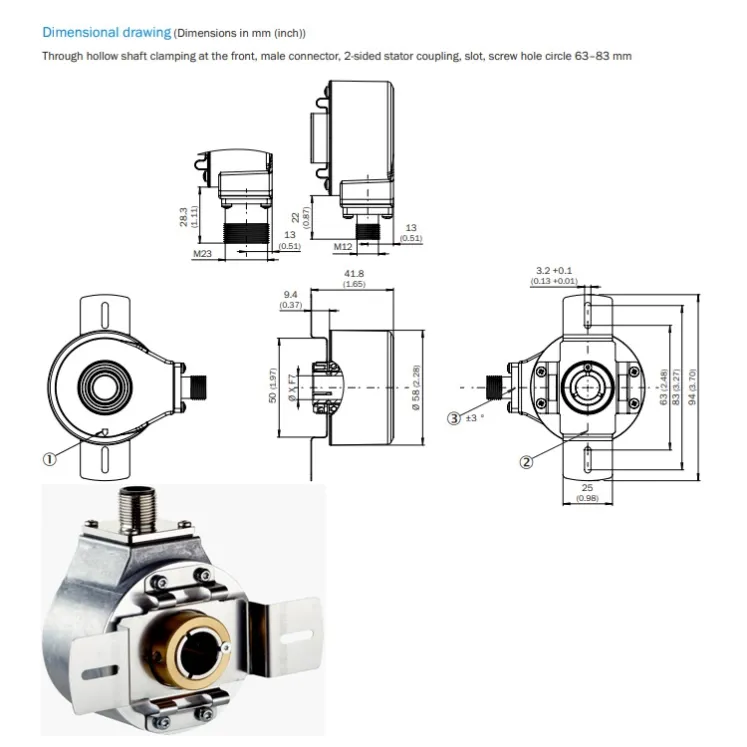
Verify shaft diameter against the order code bore, mount the encoder, and fix the torque arm with a small amount of play. Use shielded cable and observe the signal type when configuring the drive. Confirm pulse count and direction during commissioning.
Frequently Asked Questions
Which signals does the TECC variant provide?
The suffix identifies the interface and signal configuration; match it to the drive's encoder input.
Can it be used at high speeds?
The optical scanning supports the family's rated maximum mechanical speed; check the datasheet for the limit.
How is it secured against rotation?
By the torque arm anchor, which absorbs the reaction torque without preload.